15 illustrations · 1:54
Watch & listen.
Follow the images with a narrated journey through the book.






Overview
- Coverage
- 1951 onward
- Earliest secure evidence
- 1951
- Transmission
- the paperback that replaced the coven
Gardner, Murray, Valiente, Graves and Hutton remain in copyright. Their sentences are not used as decoration. What is quoted at length is what the licence allows: the Witchcraft Act, the Fraudulent Mediums Act, Leland’s Aradia, Crowley’s Gnostic Mass as printed in 1919 and 1929, Kipling’s “A Tree Song,” and the wordings of survey questions.
The coverage period and the earliest secure evidence are different dates. A tradition’s own account of its beginnings may differ from both.
Historical setting
The Last Witchcraft Act
In 1944 a Scottish medium was tried at the Old Bailey and imprisoned under the Witchcraft Act 1735, and in 1951 Parliament repealed that Act with the Fraudulent Mediums Act — a campaign fought and won by Spiritualists, not witches — so the legal door Wicca walked through was opened for somebody else, and the religion this volume describes is younger, in law, than the transistor.
The Man from the Museum
Gerald Gardner — rubber planter and customs officer in Malaya, retired 1936, folklorist, naturist — published witchcraft first as pseudonymous fiction while the 1735 Act still stood (High Magic’s Aid, 1949, as “Scire”), then under his own name once it did not (Witchcraft Today, 1954, from the witchcraft museum at Castletown on the Isle of Man); the tradition holds that he was initiated into a surviving coven in the New Forest in September 1939, and that claim is the one place in this volume where the tradition’s account and the record part company.
Explore the illustrations5 scenes · The Survey Desk
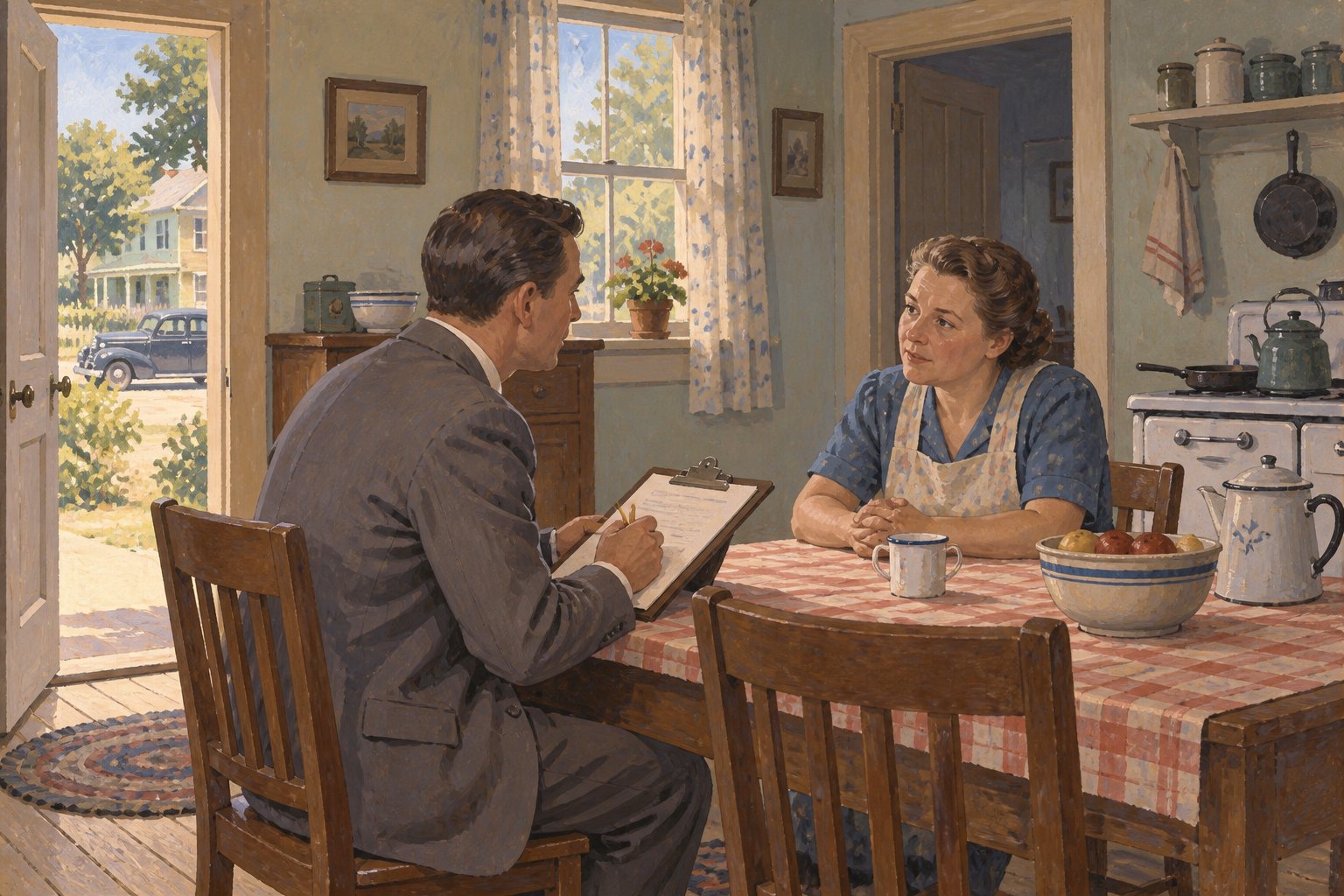
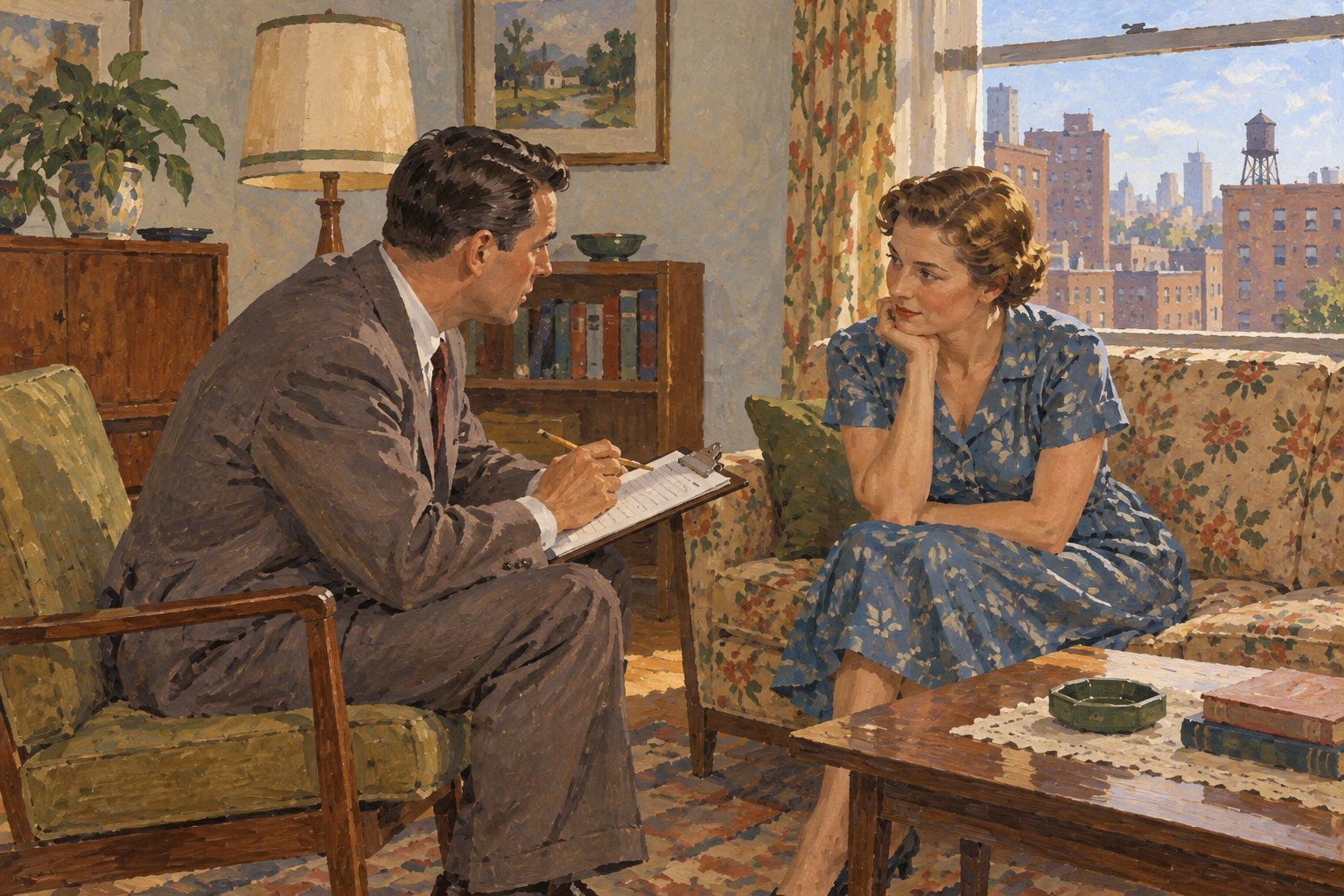
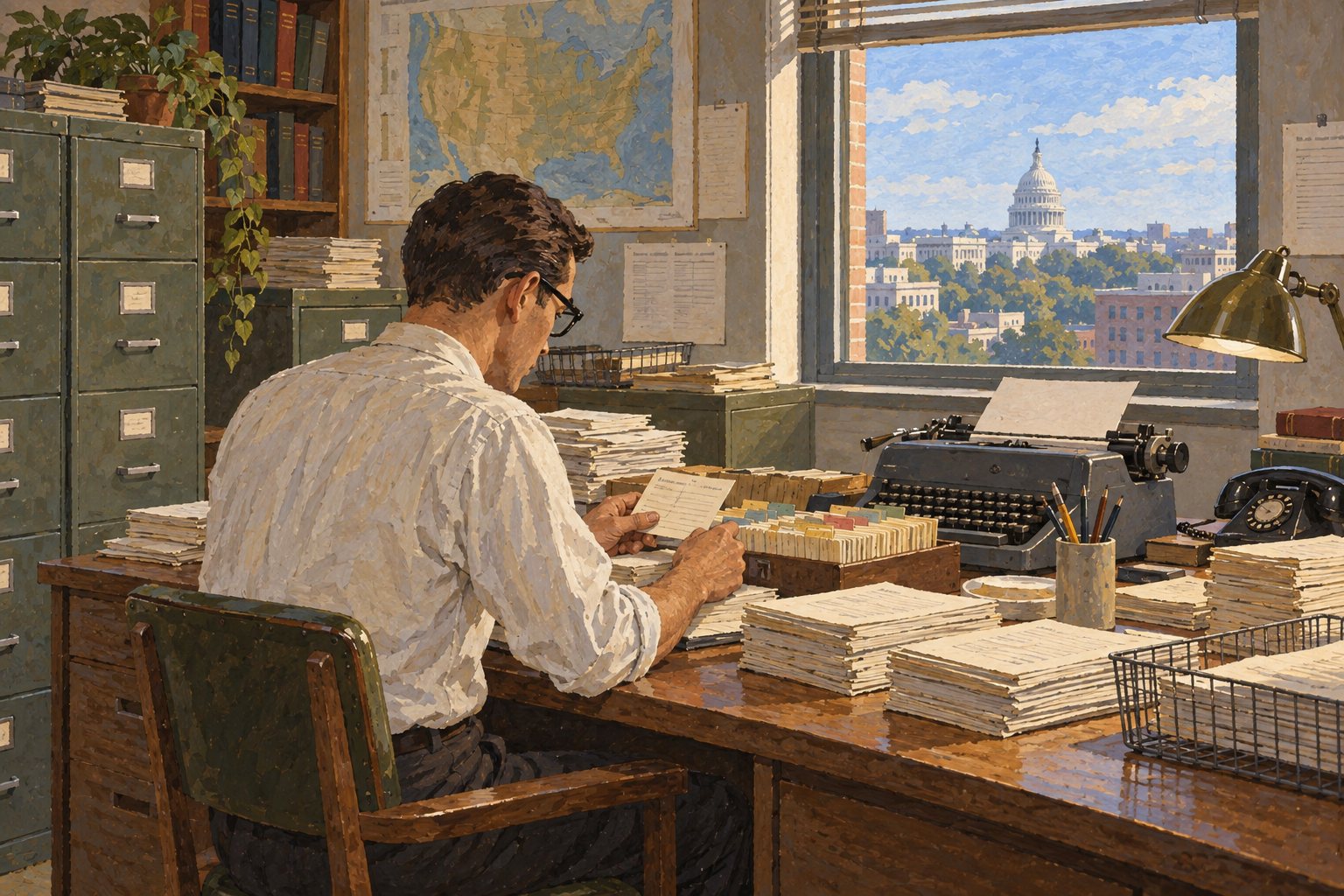
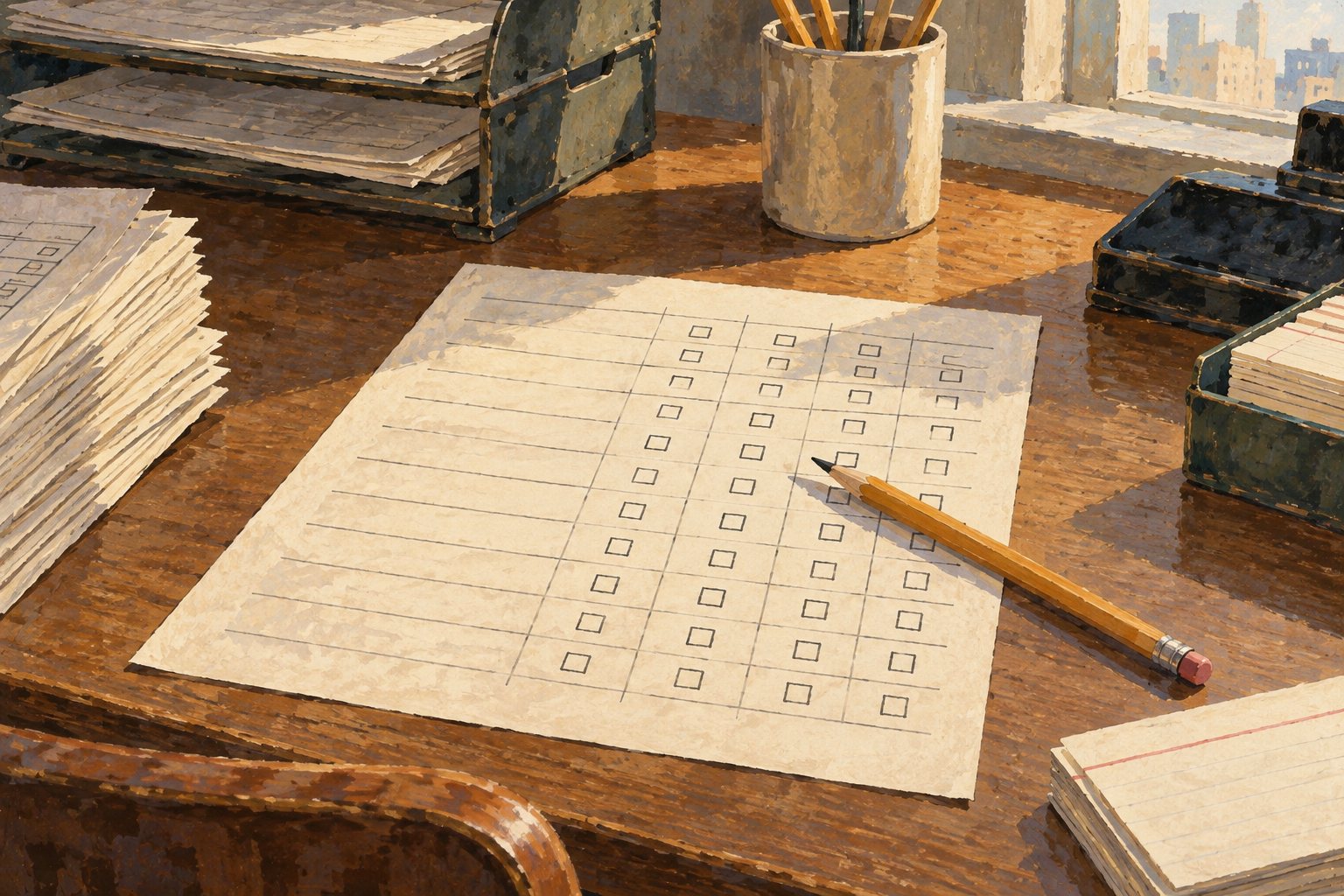
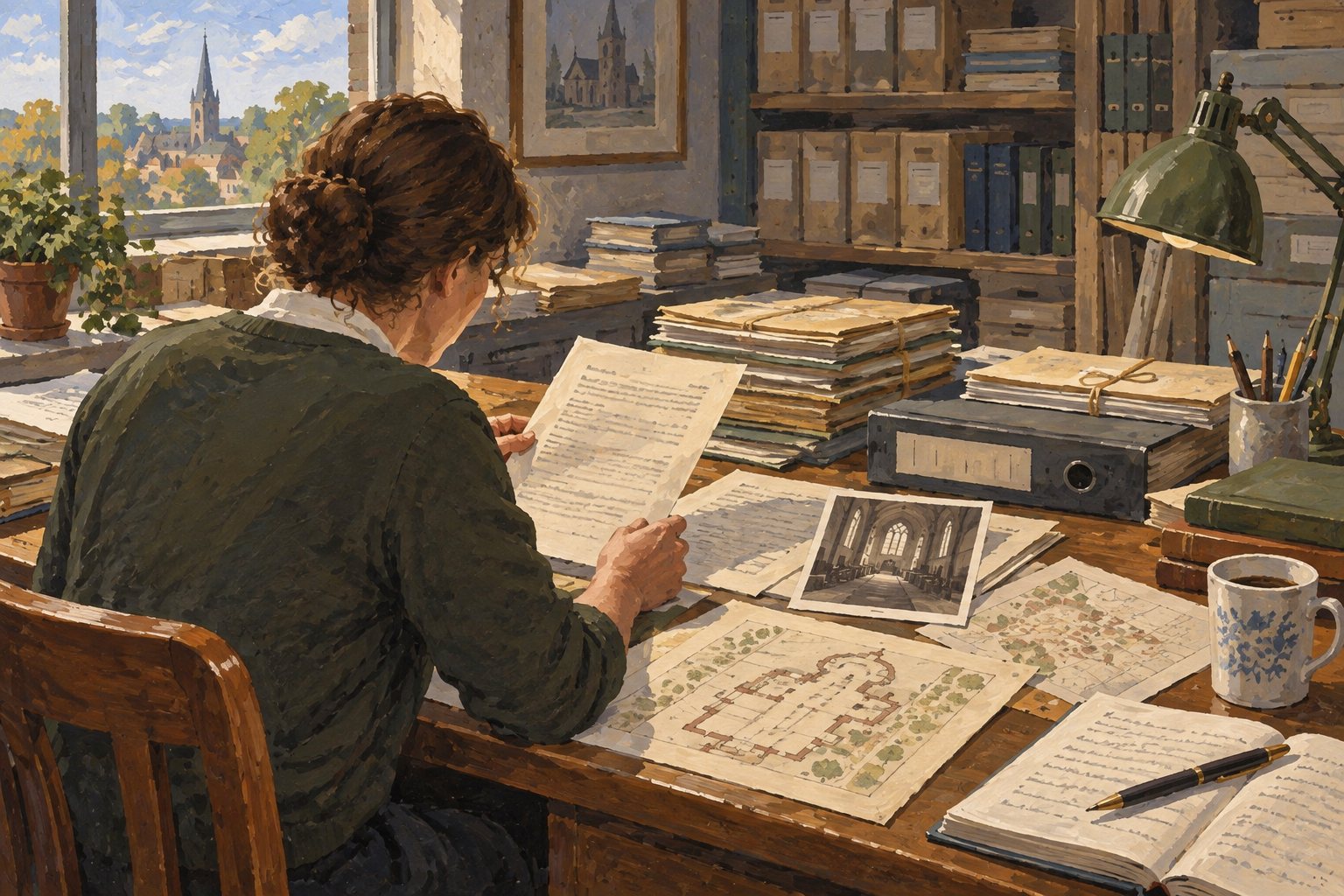
The Survey Desk. The unaffiliated become visible only when someone builds an instrument — Gallup began logging a few per cent of Americans with no religious preference in the late 1940s, the US government asked religion in a household survey exactly once (March 1957: 2.7 per cent reported none) and never again, and sociology did not even have a word for the group until Glenn Vernon’s 1968 paper proposed “the religious 'nones': a neglected category” — so the largest religious change of the modern period enters history as a residual checkbox.
How it was transmitted
A Religion at Retail
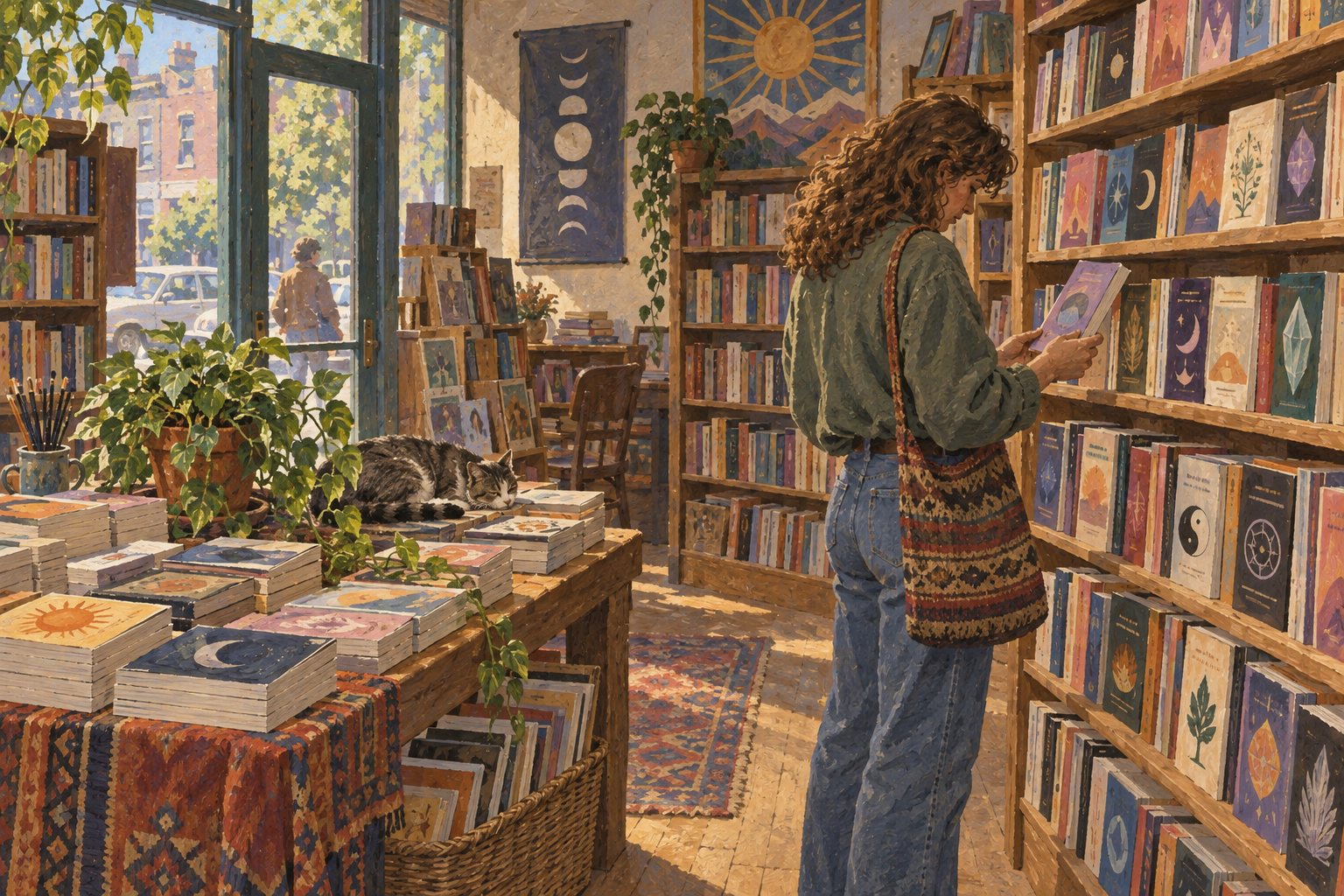
Occult publishing made a religion available without a teacher: Llewellyn — a horoscope house founded in 1901, bought in 1961 by Carl Weschcke — published Lady Sheba’s Book of Shadows (1971), a mass-market printing of supposedly initiatory material, then Buckland’s Complete Book of Witchcraft (1986) and Cunningham’s Wicca: A Guide for the Solitary Practitioner (1988), and the shelf did what a coven used to do — no earlier tradition in this series permitted entry by purchase alone.
The Paperback Undoes the Coven
Gardner’s own rule was that only a witch can make a witch — and the trade list dissolved it: initiates themselves published the rituals (the Farrars, with Valiente’s help, in 1981 and 1984), Cunningham made self-initiation explicit and respectable in 1988, and by the 1990s the largest survey of American Pagans found solitaries outnumbering coven members — the paperback dissolved the initiatory lineage it described, inside one generation.
Explore the illustrations5 scenes · The Paperback Shelf
The Paperback Shelf. Occult publishing made a religion available without a teacher: Llewellyn — a horoscope house founded in 1901, bought in 1961 by Carl Weschcke — published Lady Sheba’s Book of Shadows (1971), a mass-market printing of supposedly initiatory material, then Buckland’s Complete Book of Witchcraft (1986) and Cunningham’s Wicca: A Guide for the Solitary Practitioner (1988), and the shelf did what a coven used to do — no earlier tradition in this series permitted entry by purchase alone.
Texts and authority
A Canon Designed to Vary
The Book of Shadows is a canon built to drift: each initiate hand-copies the book from an initiator and may alter it, the tradition holds the copy should be personal and, in danger, destroyed — so where every other volume in this series asked who closed the canon, this tradition made closure structurally impossible on purpose, and the drift can be watched happening because the earliest strata survive in a named collection.
What Gardner Took
The founding documents are traceable in real time — Kelly’s stratigraphy and Hutton’s history establish what Gardner took from Crowley’s Gnostic Mass, from the Golden Dawn’s published rituals, from Freemasonry’s forms, from Kipling, and above all from Leland’s Aradia, and because the sources are largely public domain the borrowing can be shown on the page: the source text quoted verbatim beside a description of what the ritual made of it — the first religion in this series whose construction is fully on the record, which is true of every religion at its founding and documented for this one.
Institutions and resources
Subtraction
Every money movement in this series asked who owned this; the last one watches ownership dissolve — measured in the owners’ own published ledgers: national church attendance series falling for decades, US congregational membership below half the population for the first time in Gallup’s polling in 2020, and religion’s share of charitable giving shrinking — the volume’s discipline is that every one of these is a series published by the institution or pollster itself, with its method attached, and none is a lament.
What Happens to an Empty Church
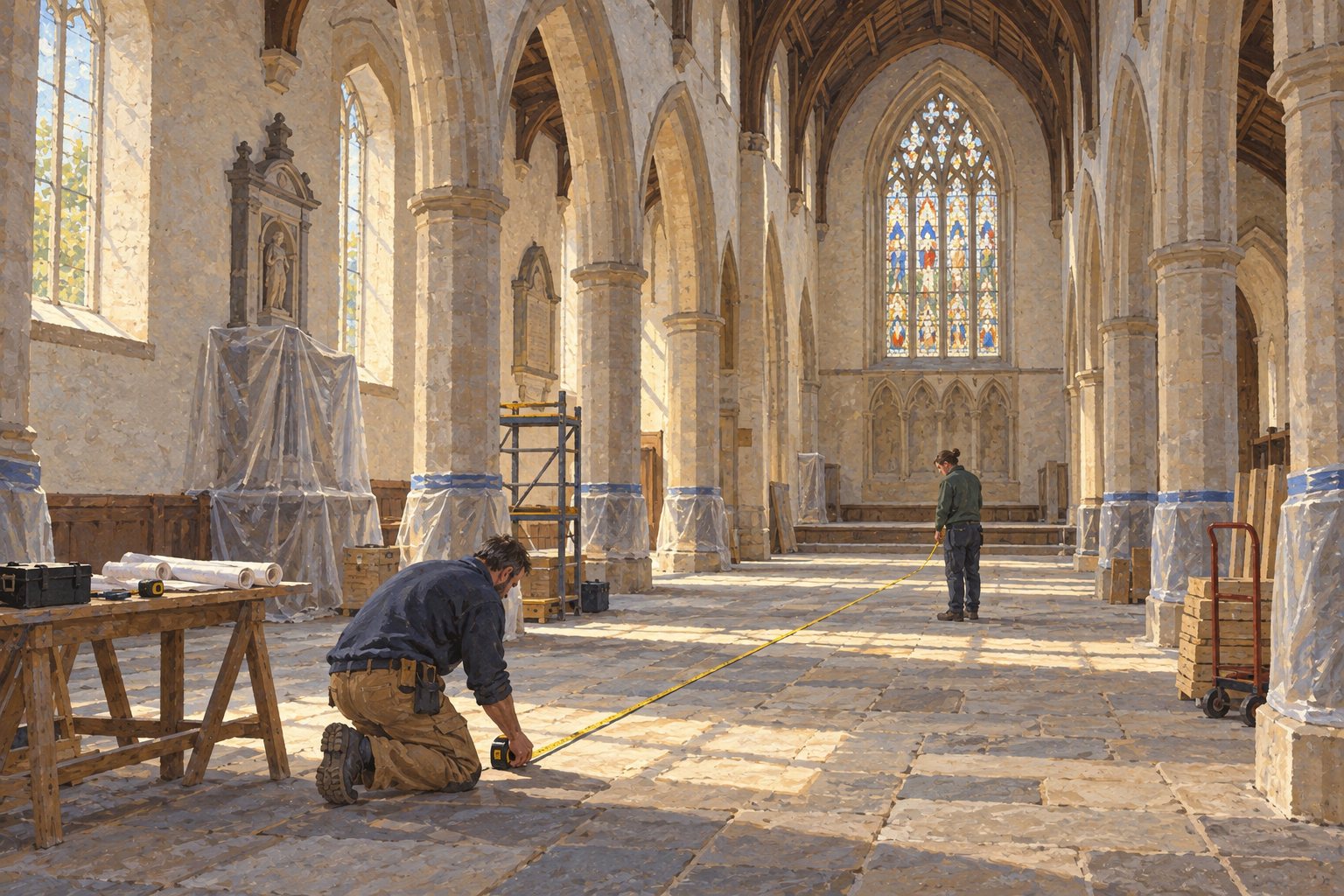
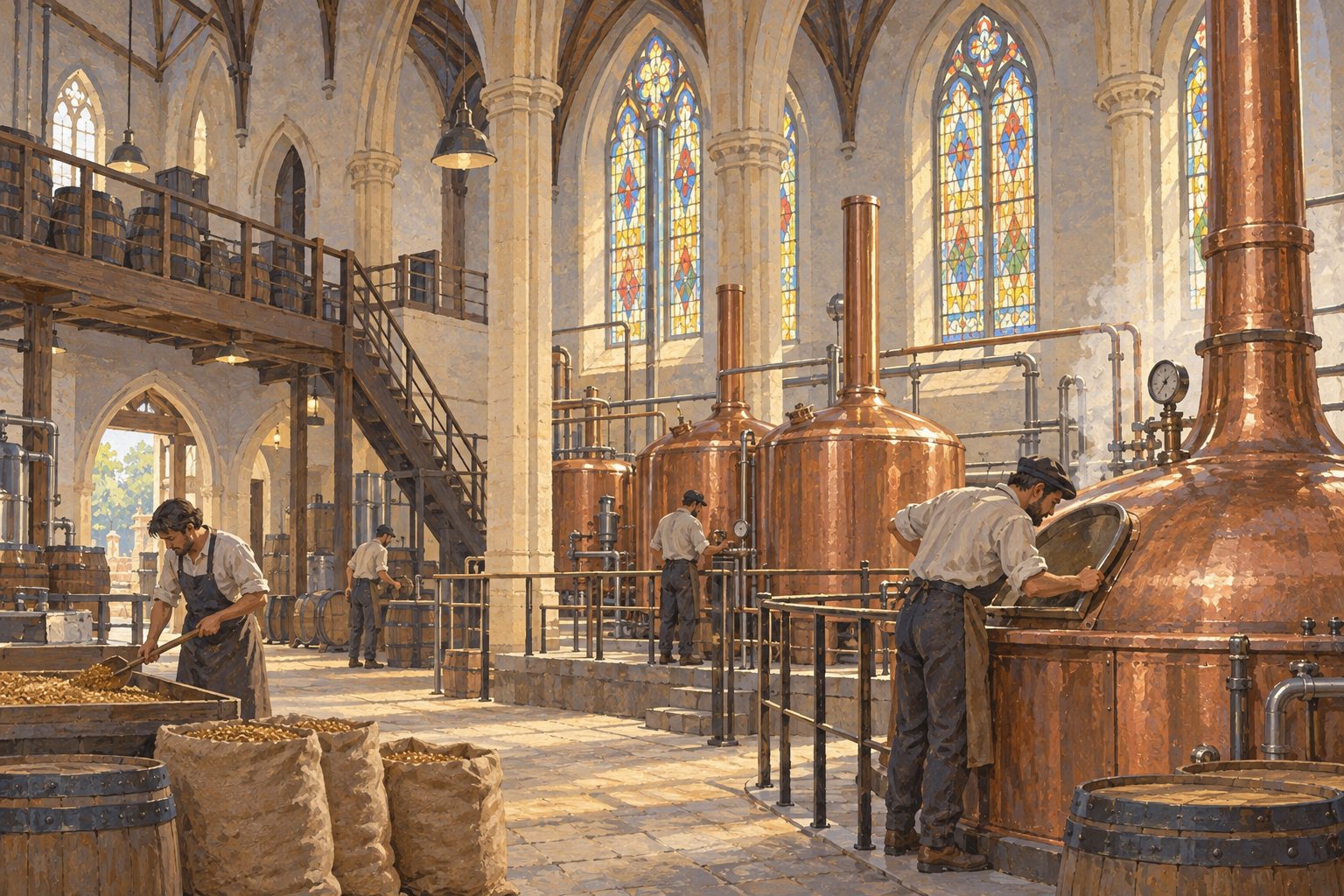
Subtraction has a real-estate department: the Church of England has closed on the order of two thousand churches since 1969 under a published procedure that decides each building’s afterlife, Dutch and Quebec programmes plan for closure at diocesan scale, and famous conversions — a Dominican church in Maastricht that became a bookshop, a Pittsburgh church that became a brewery — sit beside the harder fact that the money does not vanish with the members: the Church Commissioners’ endowment stands in the billions of pounds while attendance halves, because assets outlive congregations.
Explore the illustrations5 scenes · A Church Becomes a Bookshop
A Church Becomes a Bookshop. Subtraction has a real-estate department: the Church of England has closed on the order of two thousand churches since 1969 under a published procedure that decides each building’s afterlife, Dutch and Quebec programmes plan for closure at diocesan scale, and famous conversions — a Dominican church in Maastricht that became a bookshop, a Pittsburgh church that became a brewery — sit beside the harder fact that the money does not vanish with the members: the Church Commissioners’ endowment stands in the billions of pounds while attendance halves, because assets outlive congregations.
Changes and divisions
Bricket Wood, 1957
The first split came three years after the first book: Gardner’s own coven at Bricket Wood divided in 1957 when Doreen Valiente’s faction, alarmed at his publicity-seeking, proposed written rules and Gardner answered with a body of “ancient” Craft Laws that the textual record dates to precisely this quarrel — a founding schism over publicity in a religion whose machine was publicity, and the series’ pattern holding one last time: first splits are about governance, as the Second Council of the Buddhism volume was about gold and silver.
Endless Subdivision
With no authority to appeal to, subdivision never stops: Alex Sanders built the rival Alexandrian line out of tabloid fame in 1960s London, the Bucklands carried Gardnerian Wicca to America in 1964 and the eclectic explosion followed, Z Budapest founded women-only Dianic witchcraft in Los Angeles in 1971, Starhawk’s Reclaiming fused the Craft with feminist politics in San Francisco from 1979 — and where the Sunni and Shia volume’s split ran through courts and armies, these run through publishing contracts and conference programmes, because there is nothing else for a schism to capture.
Limits of the evidence
These limits are stated in the book before its argument.
- Whether any witch religion existed in the New Forest before Gardner described one This is the volume’s signature limit and it is stated inside Movement One, not saved for a coda. The record shows that Dorothy Clutterbuck existed — Valiente’s document search in the 1980s and Heselton’s archival work found the registers and the will — and that her surviving notebooks record a conventional churchgoing life; whether she, or anyone, initiated Gardner in 1939 cannot be established. Heselton’s circumstantial case for a pre-existing esoteric milieu in Highcliffe and Hutton’s caution are both named, and neither is adjudicated. The series has spent thirty volumes on the gap between a tradition’s account of its origin and the earliest evidence for it; in its youngest tradition the gap is fifteen years wide, and it is still a gap.
- What any individual “none” believes Surveys measure categories, and the category “nothing in particular” is a checkbox, not a creed. Aggregate belief data exists and is printed with its question wordings; the interior of any one respondent is not reachable from it, and the volume does not pretend otherwise.
- How many modern Pagans there are, beyond an order of magnitude Self-identification with no membership rolls, instruments that disagree with each other by design, and a population with documented reasons not to answer a survey. The volume prints the census and survey figures with their instruments attached and refuses a single number.
Sources and reading
This article brings together the series’ existing overview and chapter summaries. The linked book page provides the full outline and bibliography.
- Witchcraft Act 1735, 9 Geo. 2 c. 51735. pretence of witchcraft as an offence; witchcraft as such no longer prosecutable
- Malcolm Gaskill, Hellish Nell: Last of Britain’s Witches2001. Helen Duncan’s 1944 Old Bailey conviction, nine months
- Jane Rebecca Yorke conviction, Central Criminal Court26 September 1944. the Act’s last conviction
- Fraudulent Mediums Act 1951, 14 & 15 Geo. 6 c. 331951. intent, device, and payment required; Spiritualist repeal
- Hansard, House of Lords, second reading of the Fraudulent Mediums Bill3 May 1951. Hailsham: the 1735 Act “bad, antiquated and tyrannous”
- Ronald Hutton, The Triumph of the Moon1999; 2nd ed. 2019. repeal as Wicca’s precondition; the mid-century warehouse; mutation
- J. L. Bracelin, Gerald Gardner: Witch1960. authorised life; Idries Shah’s ghost-writing noted
- Gerald Gardner, High Magic’s Aid, as Scire1949. witchcraft as fiction while the 1735 Act still stood
Illustrations are newly generated interpretations of themes in the book. They are not surviving artifacts, historical photographs or evidence for the events described.